
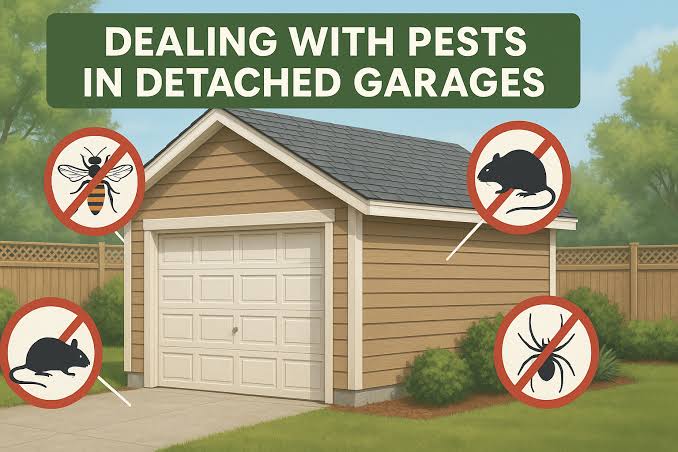

The Pest Problem That Spreads Into the House
Garages are the most pest-vulnerable structure associated with most homes. They combine the features that attract pests — food sources (birdseed, pet food, garbage), nesting materials (cardboard boxes, stored fabrics, insulation), warmth during cold weather, and numerous entry points — with the low human traffic and visual attention that allows pest populations to establish before they’re noticed.
The reason garage pest control matters beyond the garage itself: rodents that establish in the garage don’t stay there. They follow warmth, water, and food sources into the home through any gap in the shared wall. A mouse problem that starts in the garage becomes a house problem via the same routes that garage air quality problems take — through gaps around pipes, wires, and the door between garage and living space.
The Entry Point Audit: Exclusion Before Control
The most effective rodent control approach is exclusion — preventing entry rather than managing established populations. Mice can enter through gaps as small as 1/4 inch (approximately the diameter of a pencil); rats can enter through gaps as small as 1/2 inch. A thorough inspection of the garage’s perimeter for these openings is the foundation of rodent control.
Common entry points in garages: gaps where pipes and conduit penetrate walls, the gap at the bottom corners of the garage door (where the weatherstripping doesn’t seal completely against the floor), gaps around the personal entry door (both the bottom sweep and any perimeter gaps), cracks in the foundation or slab, and gaps where the garage wall meets the roof structure. Seal every gap 1/4 inch or larger with steel wool packed tightly and covered with caulk, hardware cloth, or expanding foam (rodents chew through foam alone — the steel wool mechanical barrier is necessary).
Food Source Elimination: The Behavioral Change With the Most Impact
Rodents and insects in garages are almost always present because food sources brought them and sustain them. The most common garage food sources that homeowners don’t recognize as such: birdseed in bags (the most common rodent attractant in residential garages), pet food stored in original bags, grass seed, bulbs, and any organic material stored without sealed containers.
Transfer every stored food-adjacent material to sealed hard-sided containers — metal or hard plastic with tight-fitting lids. Plastic bags and cardboard boxes are not rodent barriers; they’re nesting material. This single change eliminates the primary food and shelter source that sustains rodent populations in most residential garages.
Cardboard: The Nesting Material You’re Providing for Free
Cardboard boxes stored in garages are ideal nesting material for both rodents and for many insect species. Rodents shred cardboard into nesting material; stored cardboard also traps moisture that attracts silverfish, cockroaches, and other moisture-seeking insects.
Replace cardboard box storage with sealed plastic storage bins throughout the garage. This eliminates both the nesting material problem and the moisture trap. The transition is a one-time investment in storage containers that pays back in pest prevention and better storage organization simultaneously.
Treatment Options: What’s Appropriate for Different Pest Types
For established rodent populations after exclusion and food source elimination: snap traps (the most effective and most humane option for quick kill — properly placed along walls and in concealed areas where rodents travel) are more effective than glue traps (inhumane and less effective) and more reliable than poison baits (which kill rodents in concealed locations, creating odor problems and secondary poisoning risks for pets and wildlife that eat poisoned rodents).
For insects (ants, cockroaches, spiders): perimeter treatment with an appropriate insecticide spray (applied at foundation level around the exterior of the garage) addresses the entry point rather than chasing individual insects. Desiccant dusts (diatomaceous earth, boric acid) applied in wall voids and concealed areas where insects travel and harbor are effective for ongoing control without toxic exposure to household members.