
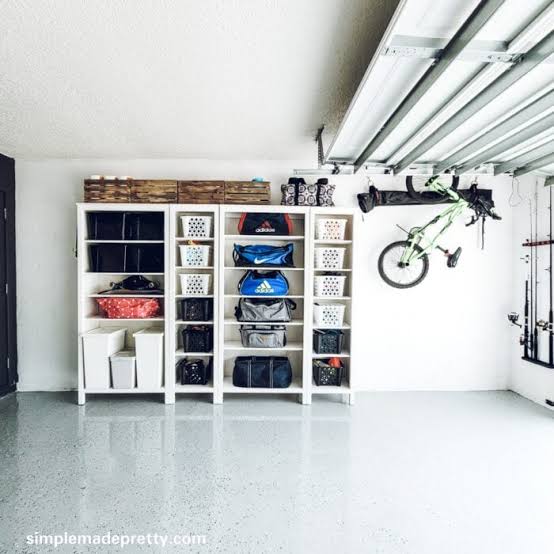

The Transformation That Requires a Plan More Than Money
The average attached two-car garage in American homes contains more unused, disorganized, and improperly stored material than any other room in the house. It’s a space where decades of accumulation, deferred decision-making, and ‘I’ll deal with that later’ storage creates a room that functions poorly despite being a significant and expensive part of the home.
A weekend garage makeover that produces a genuinely transformed space isn’t primarily a money problem — quality garage makeovers have been accomplished for under $500 in materials. It’s primarily a planning and decisiveness problem. The weekend that ends with a functional garage is one where clear decisions were made about what leaves, what stays, and where each remaining item lives.
Day One: The Sort and Purge
The first full day of a garage makeover is entirely spent sorting and purging — not cleaning, not organizing, not installing any storage. Every item in the garage goes into one of four zones: Keep (items that will stay in the garage and be used), Donate/Sell (items in usable condition that another household would want), Trash (items that have no remaining use), or Undecided (items that require a specific decision that can’t be made immediately).
The undecided category must stay small — it’s a parking zone, not a reprieve from decision-making. Anything that sits in the undecided zone for the entire weekend gets one of two designations: keep or trash. The physical act of removing everything from the garage and staging it in the driveway in sorted categories reveals both the true quantity of what’s in the space and what the space looks like without its accumulated contents.
The Wall System Installation: Two Hours With the Highest Return
After the sort and purge, the garage walls are visible — and the weekend’s highest-return two hours are spent installing a wall storage system. A French cleat wall (a section of 3/4-inch plywood ripped at 45 degrees and mounted horizontally on the wall, accepting custom hooks and holders) or a commercial wall panel system (slatwall, pegboard with quality hardware) provides a flexible, expandable storage infrastructure that organizes tools, sports equipment, and frequently used items.
A single 4×8 sheet of plywood ripped into French cleat strips and mounted on a 4-foot section of wall accommodates hooks and holders for dozens of tools and items. This single section — a 2-hour installation — often solves the primary ‘nothing has a place’ problem that characterizes disorganized garages. Hook hardware ($2–$5 per hook) is the ongoing consumable; the cleat system itself lasts indefinitely.
Overhead Storage: The Volume Most Garages Leave Unused
The ceiling space above where cars park — typically 8–10 feet of clearance — is the storage zone most consistently unused in garages that are otherwise out of floor and wall space. A ceiling-mounted storage platform (sold as overhead garage storage systems by brands like Fleximounts, Racor, and others) bolts to ceiling joists and provides a shelf platform for bulky, infrequently accessed items — holiday decorations, camping gear, seasonal sports equipment.
Installation requires identifying ceiling joists (a stud finder works), drilling and bolting the hanging brackets, and assembling the shelf platform. A typical 4×8 platform installation takes 2–3 hours and provides 32 square feet of storage overhead. This single installation often frees more floor space than any other single intervention in an overloaded garage.
The Floor Cleaning That Completes the Transformation
After storage is installed and items are returned to their designated places, the garage floor — often decades of accumulated tire marks, oil drips, and general grime — is the final visual element that determines how the finished space feels. A freshly cleaned concrete floor makes a transformed storage system look intentional and finished rather than like organized clutter.
A concrete floor degreaser (TSP substitute or dedicated concrete cleaner) applied with a stiff brush and rinsed thoroughly removes the majority of oil and rubber marks. Power washing with a residential pressure washer accelerates this significantly. The cleaned floor doesn’t need to be sealed or coated immediately — the cleaning alone produces a dramatic visual improvement that completes the weekend makeover’s overall transformation.