
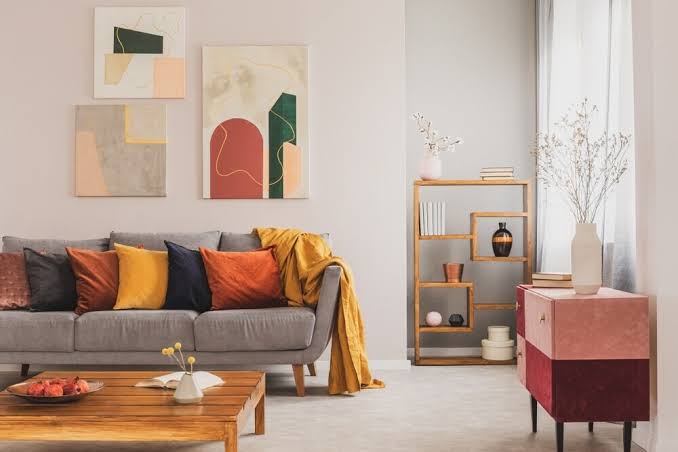

Two Words That Mean More Than Decoration
Hygge (Danish/Norwegian, pronounced ‘hoo-ga’) and lagom (Swedish, pronounced ‘lah-gom’) are cultural concepts that have been adopted by the international interior design world as aesthetic shorthand — and in the translation, much of their actual meaning has been reduced to a visual style. Understanding what these concepts actually mean produces a more genuinely satisfying home environment than simply collecting the visual elements that have come to represent them.
Hygge is the feeling of coziness, contentment, and convivial warmth — it’s an experience more than a look. Lagom means ‘just the right amount’ — neither too much nor too little — and implies a philosophy of sufficiency and balance. Both inform a home environment in ways that go beyond blankets and candles.
Hygge as a Design Philosophy: Comfort Over Impression
Hygge in the home means designing spaces that are genuinely comfortable to inhabit rather than spaces that impress visitors. The hygge-informed room prioritizes: deep, comfortable seating that invites settling in rather than perching, soft and warm lighting that flatters faces and creates a sense of enclosure, materials that feel good to touch (wool, wood, thick cotton, soft leather), and temperatures that invite people to stay comfortably.
The counter-hygge room is designed for visual effect — photographable but not genuinely comfortable to inhabit. Hard furniture chosen for appearance, harsh bright lighting, cold surfaces, and furniture arrangements that prioritize visual symmetry over conversational proximity all undermine the comfort-priority that hygge represents.
The Hygge Material Palette
Warm wood tones (natural oak, pine, birch — light woods rather than dark) dominate Scandinavian interiors not as a trend but as a material philosophy: wood is warm, organic, variable, and ages gracefully. In Scandinavian design, wood appears in furniture, flooring, ceilings, and sometimes wall paneling — the material is present at multiple scales and in multiple roles.
Wool textiles (throws, cushions, upholstery) add warmth, acoustic absorption, and tactile pleasure. Linen provides lightness and texture. Natural fiber rugs (wool, jute, sheepskin) ground seating arrangements with warmth underfoot. These materials share a quality that characterizes genuinely hygge spaces: they improve with time and use rather than wearing out their welcome.
Lagom in Practice: The Discipline of Enough
Lagom in a home context means calibrating everything to ‘just the right amount’ — enough light but not harsh, enough decoration but not cluttered, enough furniture to serve the function but not so much that it crowds the space. It’s a concept that resists both the excessive minimalism that makes a home feel cold and uninhabited and the maximalism that makes it feel overwhelming.
In practical terms: lagom is the principle that eliminates the unnecessary without eliminating the personal. A lagom-informed edit of a room removes what’s neither functional nor genuinely loved — it doesn’t remove everything that isn’t strictly necessary. The resulting space has a rightness of proportion and content that both minimalist and maximalist approaches can miss.
Bringing the Outdoors In: The Friluftsliv Connection
Friluftsliv (Norwegian: ‘open-air life’) is the cultural emphasis on outdoor connection that pervades Scandinavian culture and that manifests in home design through the integration of natural materials, garden-to-interior views, and the presence of living plants and natural objects within the home.
The practical translation: large windows that maximize natural light and provide views of the outdoors (maintained carefully rather than obscured by heavy treatments), fresh and dried flowers and branches from the garden brought indoors seasonally, natural materials in flooring and furniture that reference the outdoor landscape, and the absence of heavy window treatments that would block the outdoor connection that Scandinavian design consistently prizes.